Engaging meaningfully with Indigenous communities at the very outset of a project helps us as planners, designers, and architects to understand their vision, needs, and perspective. We learn by physically interacting with these communities, but the most impactful thing we can do is to listen to them – we must do our part in making the Indigenous communities we work with feel seen, actively heard, and acknowledged. Teams planning to undertake this type of work should note that this entire process must be driven by a spirit of collaboration and partnership in order to be successful.

These sessions with communities are their opportunities to speak about their culture and traditions. Reconciliation is now part of our daily lives, but there is still a gap in how much Indigenous groups (in Canada: First Nations, Metis, and Inuit) are heard and prioritized in decision-making processes of many community projects – even on their own lands.
To help these projects be successful, we have identified some key elements that, in our experience, have opened up communication and fostered true engagement.
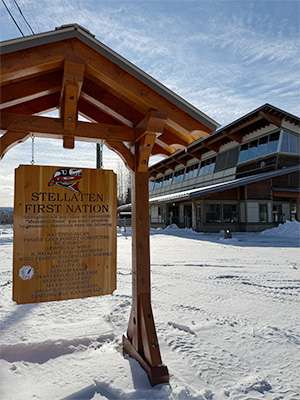
Be There | In our experience, one of the most valuable strategies is to simply show up in person. A typical office meeting staring at a computer screen is probably one of the furthest things from the Indigenous tradition of gathering and interacting in person.
Virtual meetings fall flat and often result in little to no engagement with community members. Travelling, sometimes very long distances, to be on their land so that you can stand together, share food, and do more than simply get answers to questions is critical.
True and honest feedback starts with being able to sit face-to-face with the people from these communities.
Land and Language | Asking these communities about their history, their symbols, the name of their land, and the language they speak is a genuine and effective way to start building a relationship.
Although it can be challenging, learning the Indigenous names, clans, and language of the people is important.
Trust and Transparency | Trust is the foundation of any relationship, and without even a minimal level of trust, it’s hard to engage effectively. Clearly share the intention and purpose of an engagement session while always engaging in an open and respectful conversation.
Many Elders (generally recognized as the ones to pass on knowledge and engage within the community) are recovering from deep-seated, historical trauma. Building these relationships takes time and requires effort.
Listening | Listening to the community’s stories should be an active part of an engagement session, and can lead to more useful information and feedback than staring at architectural drawings together.
Follow the Elders’ lead, which can sometimes mean letting them show you their world, their way. Once we learn about their important stories, the symbolism of certain animals, and even clans within the community, these elements can be incorporated into a building, both visually with things such as wood carvings, murals, or glass etching, or metaphorically, like treating the spaces like a river flowing through them.
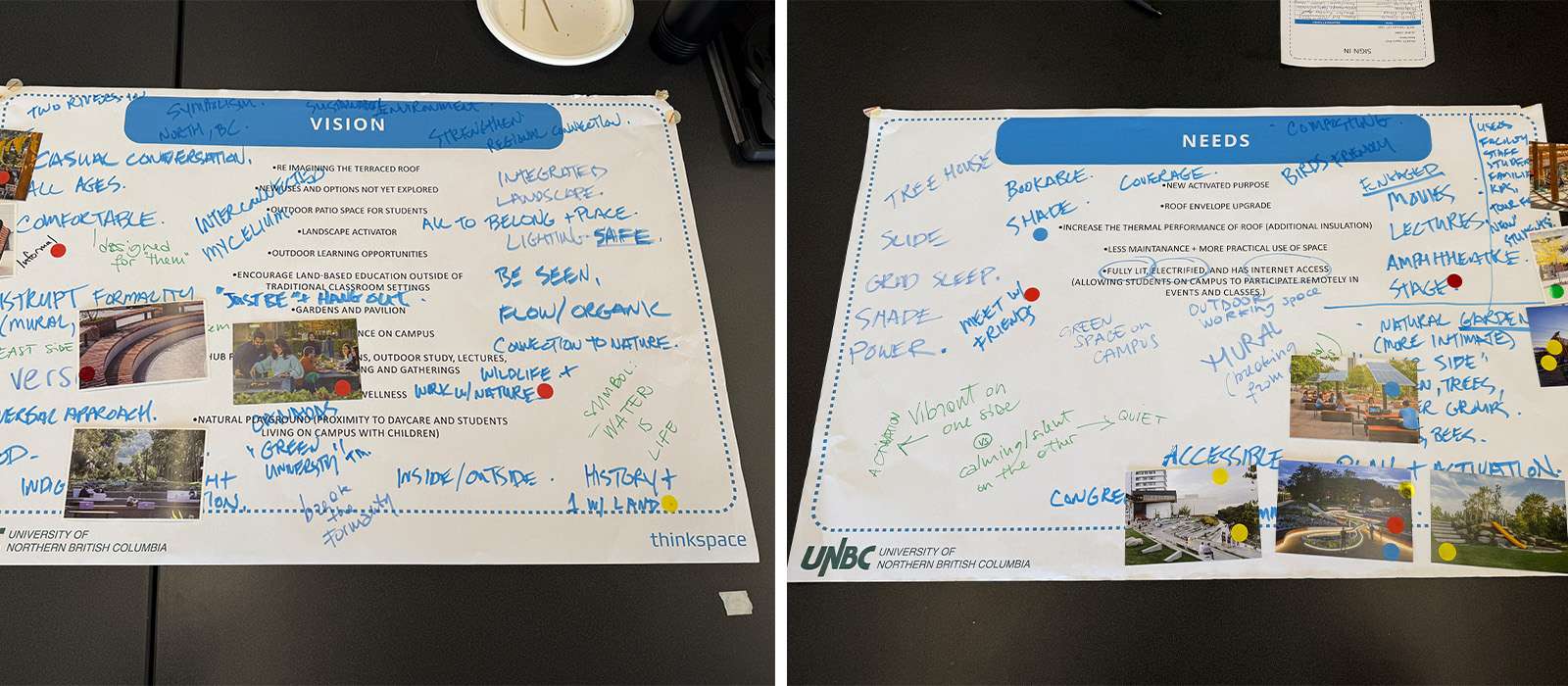
Visual Media & Materials | As we get more accustomed to showing reference images with our phones and laptops, the best way to get active feedback in engagement sessions with Indigenous communities is bringing actual objects with you. This can include printed cards of reference images, exterior and interior finishes, and even hard copies/posters with your project’s renderings/sketches.
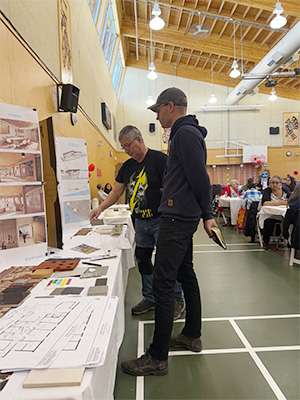
These are crucial to spark a feeling, a sense of home and comfort from a pattern that could remind them of something like their traditional blankets. Be aware, however, that certain colours or images may be triggers: an orange that is too close to their residential school’s brick colour, for example. Don’t be afraid to ask the question – we can’t erase the past, but we can help them built a stronger and safer future.
Advocacy | Ultimately, advocate for your client. Think about who you are designing and shaping these spaces for, what these spaces mean to them, and why it is important to get them right.
You have been given a very important task – to create a work or living space where current and future generations will gather, share stories and traditions, process their pain, and ultimately pass knowledge on to keep their culture alive.
Ensure that plans, designs, and outcomes directly address your client’s vision and needs, not someone else’s idea of what the space should be.
Engagement sessions with Indigenous communities can be a powerful tool towards facilitating reconciliation and it is our responsibility as planners, designers, and architects to give these communities thoughtful spaces and buildings that make them feel represented and their voices heard.
This Issues-based Design post was written by Virginia Melandri, a project manager at Thinkspace. Virginia has worked extensively on projects with the Stellat’en First Nation, including the Stellat’en Administration Office, which is where she gained insight into the challenges and opportunities associated with community engagement.
Our team’s experience with First Nations community engagement has also been informed by work on projects such as the Uskehne Hubudelhti Youth Health + Wellness Centre, also with the Stellat’en First Nation, as well as the University of the Fraser Valley Mission Campus Renovation, the CMTN Freda Diesing School of Northwest Coast Art concept design, and the Cowichan Tribes Space Planning initiative.